PELLET DIE
Pellet Die – Application & Usage
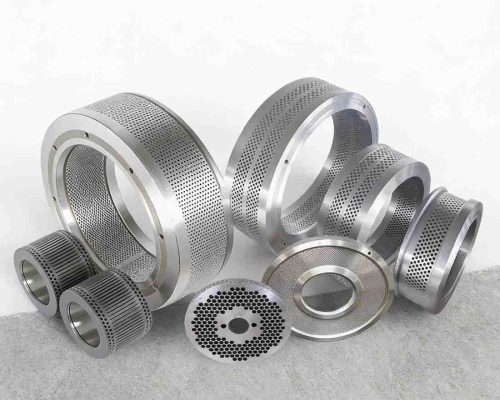
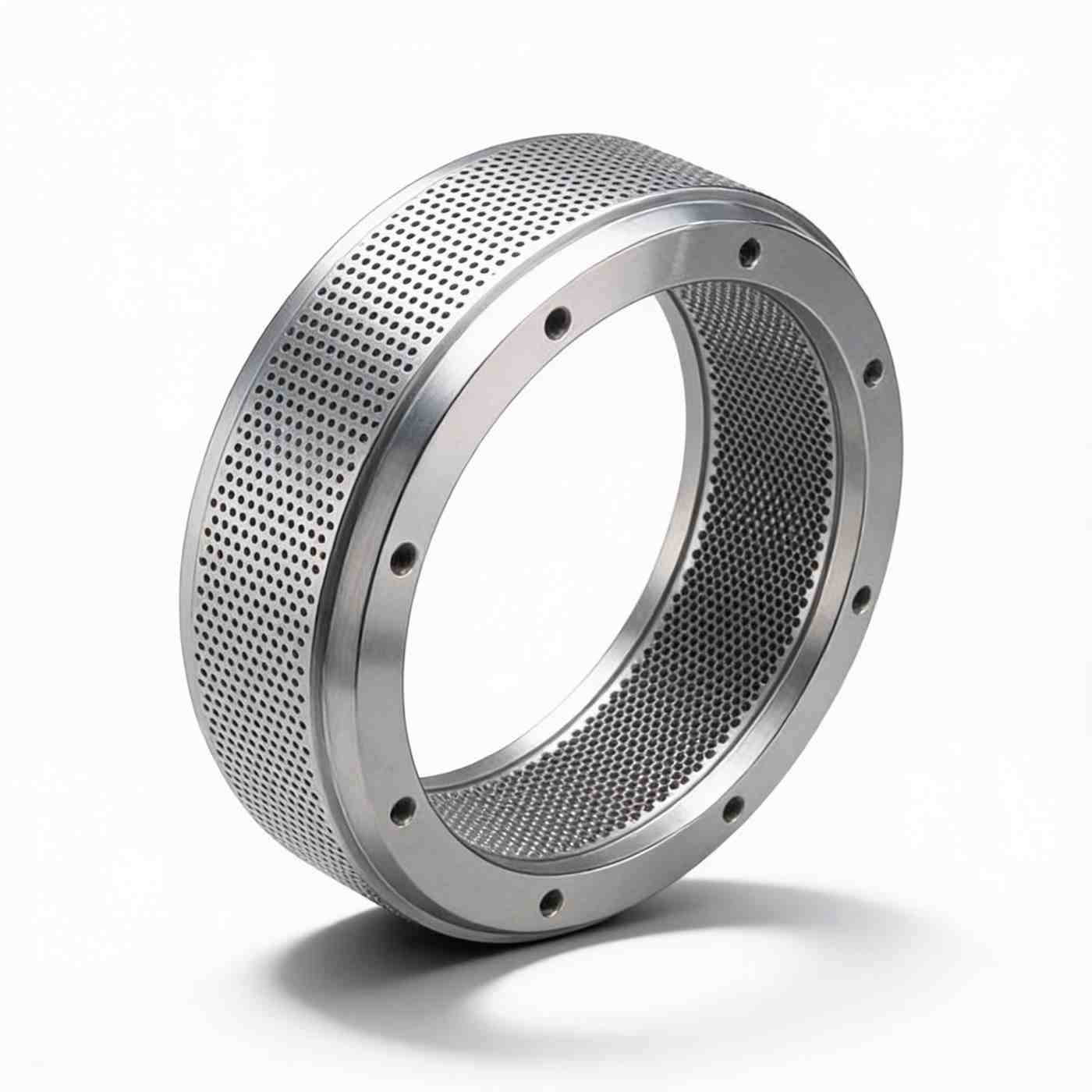
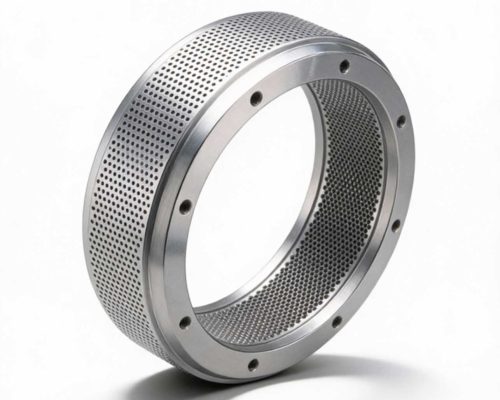
Pellet Dies are a critical component in both mash and pellet feed plants, responsible for shaping and compressing conditioned feed material into uniform, high-density pellets. Designed for durability, precision, and consistent output, pellet dies play a vital role in achieving optimal pellet quality, feed efficiency, and smooth plant operation.
Manufactured using high-grade alloy steel and advanced machining processes, pellet dies ensure long service life, excellent wear resistance, and reliable performance under continuous production conditions.
Applications in Mash Feed Plants
In mash feed plants, pellet dies are used when mash feed is converted into pellets to improve handling, storage, and feed efficiency.
Compresses conditioned mash feed into uniform pellets
Enhances feed density and reduces segregation of ingredients
Improves feed conversion ratio (FCR) and palatability
Enables smooth transition from mash to pelletized feed production
Supports consistent pellet size for different livestock and poultry feed formulations
Applications in Pellet Feed Plants
In dedicated pellet feed plants, pellet dies are essential for high-capacity and continuous pellet production across various feed types.
Forms high-quality pellets for poultry, cattle, and aqua feed
Maintains uniform pellet diameter and length
Ensures stable throughput and reduced power consumption
Minimizes fines generation during pelleting
Supports high-moisture and high-fiber feed formulations
Precision Drilling Technology
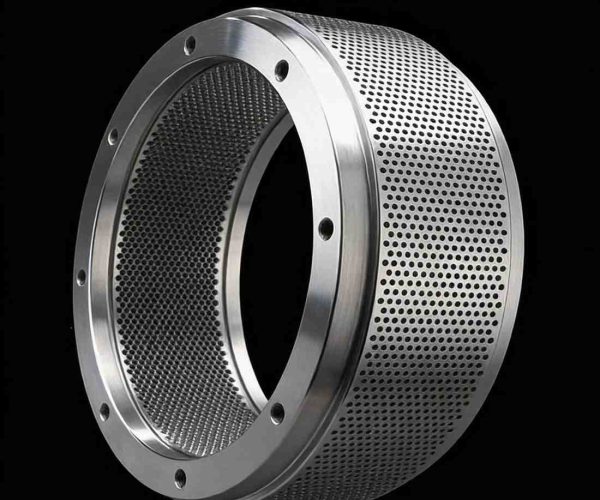
Ensures accurate hole diameter, compression ratio, and smooth pellet formation.
Optimized Compression Ratios
Designed according to feed formulation, moisture content, and production capacity.
High Wear Resistance
Made from hardened alloy steel for extended operational life.
Consistent Pellet Quality
Produces dense, durable pellets with minimal breakage.
Compatibility
Suitable for various pellet mill models and capacities.
Suitable Feed Materials
Poultry feed
Cattle and dairy feed
Aqua feed
Mash feed formulations
Grain-based and protein-rich feed mixes
Benefits for Feed Manufacturers
Improved pellet durability and uniformity
Higher production efficiency
Reduced maintenance downtime
Better feed handling and storage
Enhanced end-user feed performance